Table of Contents
ToggleMarijuana use has a way of creeping into everything. Relationships, work, studies, money, motivation, sleep, mood, it can touch all of it before a person even realizes how much has shifted. And once that happens, professional guidance often stops being optional and starts being necessary. Here’s the thing though, a lot of people still think quitting marijuana just comes down to willpower. It doesn’t, not really. Regular or heavy use gets wrapped up in cravings, habits, stress, and emotional triggers, and untangling all of that alone is genuinely hard. That’s the whole point of Marijuana rehabilitation Treatment, giving someone a safer, more organized space to actually understand their use and rebuild healthier routines around it.
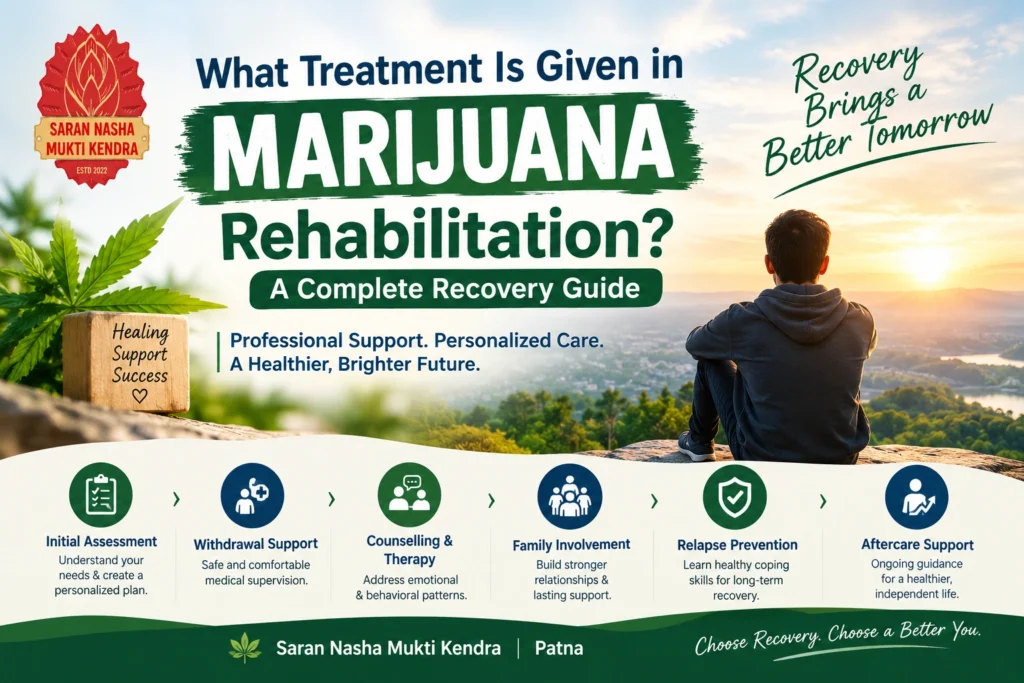
Marijuana rehabilitation treatment is rarely just about stopping cannabis. Depending on the person, it can involve an initial assessment, withdrawal support, counselling, behavioural therapy, family involvement, lifestyle changes, relapse prevention planning, and aftercare that continues well past the program itself. Understanding what each of these pieces actually looks like helps families feel less lost when they’re searching for a drug rehabilitation center or trying to figure out where to even start.
What Is Marijuana Rehabilitation Treatment?
Marijuana rehabilitation treatment is a structured approach, built step by step, to help people reduce or stop problematic marijuana use while picking up healthier ways to deal with cravings, emotions, stress, and everyday life in general.
No two treatment plans look identical. Some people need a fully structured residential program. Others do just fine with outpatient counselling and regular check-ins with a professional. What actually works depends on how often and how long someone has used, whether they’ve tried quitting before, any mental or emotional concerns sitting underneath it all, family circumstances, and how well the person is managing day to day right now.
So a professional assessment isn’t just a formality, it genuinely shapes everything that follows. A good cannabis addiction treatment plan gets built around the actual person in front of the counsellor, not some generic template pulled off a shelf.
What Treatment Is Given in Marijuana Rehabilitation?
Initial Assessment and Individual Treatment Planning
The first stage is really about understanding the pattern behind the use, and everything that comes with it. A professional will usually walk through substance use history, cravings, sleep, mood, daily responsibilities, past attempts to quit, and whether anything else is involved alongside the marijuana.
Once that picture is clearer, the treatment team knows exactly where to focus. A personalized plan comes together from there, with short term goals and longer term ones both built in from day one.
Withdrawal Support and Early Recovery Care
Cutting back or stopping regular marijuana use isn’t always comfortable. Irritability, restlessness, trouble sleeping, low appetite, anxiety, headaches, strong cravings, any combination of these can show up.
Everyone’s withdrawal looks a little different, honestly. A solid marijuana rehabilitation center offers monitoring, emotional support, structured routines, and hands-on guidance while a person works through this adjustment period.
But early recovery support isn’t only about surviving the first rough few days. It’s also about helping someone actually understand what triggers their use in the first place, so the next stage of recovery doesn’t catch them off guard.
Counselling and Behavioural Therapy
Counselling is really the heart of Marijuana rehabilitation Treatment. Substance use tends to attach itself to particular people, places, feelings, routines, even certain stressful moments. Counselling helps someone notice these patterns and, slowly, build different responses in their place.
Behavioural work often focuses on:
- Understanding personal triggers
- Managing cravings as they show up, not after
- Improving decision-making in the moment
- Building healthier coping strategies
- Handling stress without reaching for marijuana
- Staying motivated through the messy parts of recovery, not just the easy ones
- Recognising the thoughts and behaviours that keep pulling someone back to use
Regular sessions also give people a private space, one without judgment, to talk through things that might feel too heavy to bring up with family just yet.
Marijuana Rehabilitation Treatment and Family Counselling
Why Family Involvement Can Matter
Addiction almost never stays contained to one person. It ripples through the whole household. Family members end up worried, frustrated, angry, confused, sometimes all at once, and often unsure how to actually help. Meanwhile, the person using marijuana may feel judged or completely misunderstood, even by people who love them.
Family counselling helps repair the communication and puts healthier boundaries in place. Relatives learn how to offer real encouragement, the kind that doesn’t accidentally reinforce the very patterns everyone’s trying to break.
And a supportive home matters most once someone actually leaves a structured rehabilitation center program and has to apply those recovery skills to real, everyday life.
Best Marijuana Addiction Treatment Centre in Patna: What Should Families Look For?
Picking a treatment centre takes more than comparing brochures or scrolling through a website. Families need a program that treats recovery as an individual process, not a checklist.
If you’re weighing options for the Best Marijuana Addiction Treatment Centre in Patna, here’s what’s actually worth looking into:
- Qualified and experienced professionals
- A proper individual assessment before any treatment plan gets written
- Ongoing counselling and behavioural support
- Family involvement, wherever that’s appropriate
- A structured daily routine
- Relapse prevention education
- Privacy and respectful, honest communication
- Follow-up and aftercare support
- Clear, upfront information about how the whole process actually works
The goal here should always be meaningful, lasting recovery support, not flashy promises of instant results. Before committing, ask about program duration, counselling methods, emergency procedures, and what follow-up support looks like once treatment wraps up.
Marijuana Rehabilitation Centre in Patna: What Does Daily Recovery Look Like?
Building Structure and Healthy Daily Habits
A good Marijuana Rehabilitation Centre in Patna gives people room to step away from the routines and surroundings tied to their substance use, even if just for a while.
A typical day might include counselling sessions, educational discussions, recreational activities, exercise, meditation or relaxation practices, personal reflection, and planned routines. What that actually looks like varies from centre to centre and depends on what the individual needs.
Structure matters because substance use tends to wreck normal sleep, responsibilities, productivity, personal habits, all of it. Rebuilding those pieces gradually is what creates a more balanced, stable lifestyle over time.
Learning to Manage Cravings and Triggers
A craving showing up doesn’t mean recovery is falling apart. Most of the time it’s just an old habit or association tapping someone on the shoulder. Good treatment teaches people to catch the early warning signs and respond before that craving turns into action.
Useful strategies include changing the environment, delaying the decision for a bit, doing something healthy instead, talking to someone trusted, practising relaxation techniques, and leaning on professional counselling support when it’s genuinely needed.
Role of Lifestyle Changes in Marijuana Recovery
Sleep, Nutrition, Exercise and Routine
Recovery doesn’t end when counseling does. Everyday habits shape how a person feels and how well they cope with stress, far more than people expect.
A consistent sleep schedule, balanced nutrition, regular physical activity, meaningful hobbies, social support, and productive daily routines all add up to real stability. These changes support professional treatment, they don’t replace it.
Exercise, for example, gives people a healthy outlet for stress and fills the time that substance use used to occupy. Hobbies and other constructive activities do something similar, they help rebuild confidence and a real sense of purpose.
Marijuana Rehabilitation Treatment and Relapse Prevention
Preparing for High-Risk Situations
Long term recovery means getting ready for the moments that raise relapse risk, stressful events, certain social circles, emotional struggles, familiar places, or simply being around people who still use.
Relapse prevention planning helps someone spot these situations before they arrive. A practical plan usually covers recognising warning signs, avoiding high-risk environments where possible, reaching out for support, keeping up healthy routines, and going back to counselling whenever things get hard again.
Recovery isn’t a finish line, it’s an ongoing process. If a setback happens, professional support can help work out what went wrong and how to strengthen the plan from there.
Aftercare Following Marijuana Rehabilitation
Continuing Support After the Programme
Finishing a rehabilitation program is a genuine milestone, but the transition back to everyday life goes a lot smoother with continued support behind it. At Saran Nasha Mukti Kendra, aftercare often includes scheduled counselling, family support, recovery-focused routines, follow-up appointments, and regular check-ins on how things are going.
The whole point of aftercare is helping someone hold on to what they learned in treatment while they handle real responsibilities again. It also gives them a chance to catch new challenges early, before things start feeling overwhelming.
For families searching for a trustworthy Nasha mukti kendra Patna, it helps to look past the treatment program itself and think about how the centre approaches recovery for the long haul.
When Should Professional Help Be Considered?
Professional guidance becomes worth considering once marijuana use starts feeling genuinely hard to control, or once it starts getting in the way of the things that matter most. Warning signs include repeated failed attempts to quit, spending more and more time getting or using marijuana, neglecting responsibilities, strained relationships, intense cravings, or continuing to use even when the consequences are obvious.
Getting help early gives individuals and families a real shot at addressing the problem before it grows into something much bigger. Saran Nasha Mukti Kendra focuses on structured recovery support, compassionate counselling, healthy daily routines, and individualized guidance for anyone working through substance use concerns.
For broader, evidence based information on substance use and related health topics, the official World Health Organization (WHO) website is a useful public health resource: World Health Organization (WHO) official website.
Conclusion
Marijuana rehabilitation treatment is never really just about stopping substance use, it’s a much bigger process than that. Real, lasting support pulls together assessment, withdrawal management, counselling, behavioural strategies, family involvement, healthier lifestyle habits, relapse prevention, and aftercare that keeps going. Every recovery journey looks a little different, so treatment should be shaped around the individual, not squeezed into a fixed formula.
For families weighing professional help, a structured program with qualified support and a clear recovery plan makes the whole process feel far more manageable. With the right guidance, some patience, steady family support, and real commitment, people can genuinely work toward healthier routines and a more stable future.
Frequently Asked Questions
1. What treatment is given in marijuana rehabilitation?
Treatment can include assessment, withdrawal support, individual counselling, behavioural therapy, family counselling, structured routines, relapse prevention education, and aftercare. The exact mix depends on what the person actually needs.
2. How long does marijuana rehabilitation take?
It varies, based on how severe and long-standing the use is, individual circumstances, progress during treatment, and the type of program chosen. A professional assessment helps pin down a realistic timeline.
3. Is counselling necessary for marijuana addiction?
In most cases, yes. Counselling helps people understand their triggers, manage cravings, build coping strategies, and work through the emotional or behavioural factors underneath the substance use.
4. Can family members participate in marijuana rehabilitation?
Yes, and where it makes sense, it genuinely helps. Family involvement improves communication, sets healthy boundaries, and creates a more supportive environment during and after treatment.
5. What happens after marijuana rehabilitation?
Aftercare can include follow-up counselling, continued family support, healthy daily routines, relapse prevention planning, and regular professional check-ins to help maintain progress over time.