Table of Contents
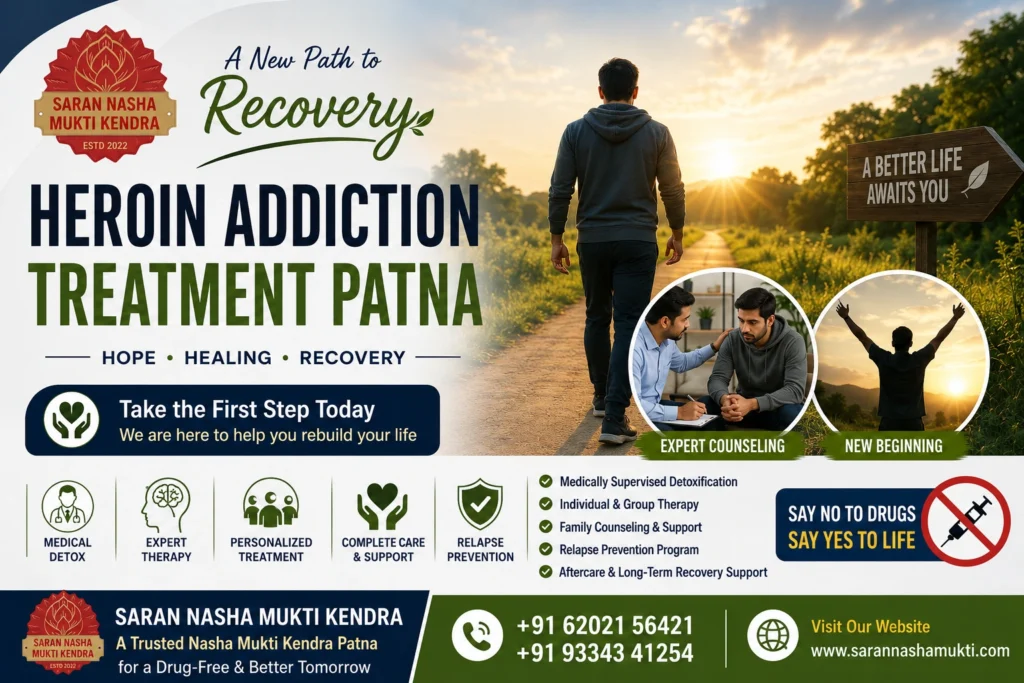
ToggleHeroin doesn’t stay in one lane. It starts as a habit, then it starts touching everything else, health, mood, family dinners, job performance, the works. That’s really the whole point of Heroin Addiction Treatment Patna. It’s not a single fix. It’s an actual process built around assessment, medically supervised withdrawal, counseling, behavioral work, and a plan for staying clean once treatment ends. Waiting things out rarely helps here. Opioid dependence tends to get harder to manage the longer it goes untreated, not easier. Given the right plan and steady support, people do rebuild their routines and move toward a life without the drug. It happens more often than people assume.
Why Heroin Addiction Treatment Patna Matters for Recovery
Here’s the thing about heroin: it hooks the body and the mind at the same time. Use it enough and the cravings don’t just linger, they grow. A person can know exactly what it’s doing to their life and still struggle to put it down. That’s why decent treatment never boils down to “just stop.” It has to deal with the person, not the symptom.
A properly run heroin De Addiction treatment in Patna takes on withdrawal, the cravings, the emotional mess underneath it all, behavior patterns, and whatever’s actually feeding the addiction. Because honestly, no two people end up here the same way. So treatment can’t be copy-pasted either. It has to be built around someone’s actual health, their history with the drug, and what they need right now.
Understanding Heroin Dependence and Its Effects
Dependence usually creeps in slowly. The brain and body adjust bit by bit to repeated opioid exposure until, one day, it’s not a choice anymore, it’s a need. And it’s not just about being high or not. It bleeds into physical health, mood, how decisions get made, relationships, work, all of it.
How Heroin Can Affect Physical Health
Repeated use, especially injecting it or mixing it with other substances, does real damage. Breathing problems. Infections. A body that just doesn’t function the way it used to. And overdose risk climbs fast. People injecting also deal with added dangers around blood borne infections and unsafe needle habits, which is its own layer of risk on top of everything else.
How Dependence Affects Mental and Emotional Well-Being
There’s usually an emotional side to this too, anxiety, a flat or low mood, pulling back from people, short tempers, trouble handling everyday stress. Once the drug becomes the priority, everything else starts to fade into the background: work, school, relationships, basic responsibilities. Counseling is where people start noticing these patterns for what they are and figure out other ways to cope.
Why Cravings Can Make Quitting Difficult
Cravings hit hard, especially around the people, places, or feelings tied to past use. Someone can be doing fine and then one memory, one place, one bad day, and the urge comes roaring back. A good recovery program actually teaches how to spot those triggers coming and how to ride out a craving without giving in to it.
When to Consider the Best Heroin De Addiction Treatment in Patna
Admitting help is honestly half the battle. And putting it off doesn’t make things easier, it usually just means more damage to undo later.
Behavioral Warning Signs
Some things worth paying attention to: still using despite obvious consequences, letting family or work responsibilities slide, spending way too much time getting or using the drug, drifting away from people who care, and running into money or social trouble because of it. If someone’s tried to quit before and it hasn’t stuck, that’s usually a sign professional help is needed, not another solo attempt.
Physical and Psychological Warning Signs
Watch for shifts in sleep, appetite, energy, mood, general health, the kind of changes that don’t have another obvious explanation. Intense cravings and withdrawal symptoms whenever someone tries to cut back are another red flag. These aren’t things to self-diagnose or manage alone; a qualified healthcare professional needs to be part of the conversation.
How Heroin De Addiction Treatment in Patna Supports Recovery
Real rehab happens in stages. It’s rarely just detox and done, that’s more of a starting line than a finish line. What comes next depends entirely on a proper professional assessment.
Medical Assessment and Personalized Treatment Planning
It starts with actually looking at the person: their physical health, how long they’ve been using, their mental state, and what they want out of recovery. That’s how the right level of care gets decided, and whether extra medical or psychological support needs to be brought in. The plan isn’t set in stone either, it shifts as recovery moves along.
Supervised Withdrawal and Detox Support
Nobody sugarcoats withdrawal. Muscle aches, sweating, restlessness, nausea, diarrhea, sleepless nights, anxiety, cravings that don’t quit, it’s rough. Medical supervision means someone’s actually watching for complications and stepping in when needed. But detox alone doesn’t fix dependence. It’s the beginning, and skipping what comes after it is exactly how relapse happens.
Counseling and Behavioral Therapy
This is where people actually work through the why, the thoughts, the habits, the emotional baggage tangled up with the drug use. Behavioral therapy builds practical skills too: handling a craving without acting on it, managing stress differently, avoiding situations that tend to go badly. Sticking with therapy long term is usually what separates a short recovery from one that actually holds.
Family Support and Recovery Education
Addiction never really stays contained to one person, families feel it too. Family counseling helps everyone communicate better, understand what dependence actually involves, and figure out how to support someone without enabling them. Families that understand relapse risk ahead of time tend to create a steadier home for someone coming out of rehab.
Choosing Heroin Addiction Treatment Patna for Long-Term Recovery
A program worth trusting puts safety, qualified staff, individual planning, counseling, and long term support front and center, not marketing promises. If a provider is guaranteeing a quick fix, that’s usually a red flag rather than reassurance. Families should be asking whether each person actually gets evaluated individually.
And what happens after rehab matters just as much as what happens during it. Follow up visits, ongoing counseling, relapse prevention work, and family involvement are what actually keep someone on track once they’re back in everyday life.
What a Comprehensive Recovery Program May Include:
- Initial medical and psychological assessment
- Supervised withdrawal management
- Individual counseling
- Behavioral therapy
- Family counseling
- Craving and trigger management
- Relapse prevention planning
- Healthy lifestyle guidance
- Follow up and aftercare support
The Role of Evidence-Based Care in Opioid Recovery
Sometimes recovery isn’t just counseling and willpower, medication plays a role too, when it’s clinically justified. The World Health Organization still backs evidence-based opioid dependence treatment, which includes opioid agonist maintenance using medicines such as methadone and oral buprenorphine, always managed under proper medical supervision. Saran Nasha Mukti Kendra focuses on supportive rehabilitation and personalized recovery guidance at a trusted Nasha Mukti Kendra Patna. The treatment approach is designed to help individuals overcome substance dependence through structured care, counseling, behavioral support, family involvement, and relapse-prevention guidance. With professional support and a recovery-focused environment, individuals can gradually rebuild their confidence, improve their physical and emotional well-being, strengthen relationships, and work toward a healthier, drug-free life.
Worth a look before moving on: the WHO’s own guidance on opioid dependence treatment lays out reliable, evidence based information on opioid recovery for anyone who wants to dig deeper.
Life After Heroin De Addiction Treatment in Patna
Finishing detox, or even leaving a rehab facility, isn’t really the finish line people imagine it to be. Keeping the progress going takes ongoing attention, to triggers, to emotional health, to relationships, to the small routines of daily life.
Building a Drug-Free Lifestyle
Sleep. Real food. Some kind of movement. Work that means something. People who actually show up for you. Hobbies that fill the space drugs used to occupy. All of it adds structure back into a life that lost it. Staying away from people and places tied to old habits helps too, less exposure means fewer chances for a trigger to show up uninvited. None of this needs to happen all at once either; small, steady changes tend to stick better than big overhauls.
Relapse Prevention and Aftercare
Catching the warning signs early is basically the whole game when it comes to preventing relapse. Ongoing counseling helps someone deal with a rough patch before it turns into a full slide backward. And if a relapse does happen, that’s not the end of the story, it’s a signal to get help again, not a reason to walk away from recovery altogether.
Conclusion
Heroin dependence is genuinely tough to face. No sugarcoating that. But professional support really can open up a different path than the one someone’s currently stuck on. Heroin Addiction Treatment Patna pulls together assessment, supervised withdrawal, counseling, behavioral support, family involvement, and relapse prevention planning, all working toward the same goal from different angles. Anyone looking for the best heroin De Addiction treatment in Patna is better off choosing a structured, professionally guided program over a quick promise.
Frequently Asked Questions
1. What is heroin addiction treatment?
It’s a structured recovery process, usually built around medical assessment, withdrawal management, counseling, behavioral therapy, family support, and relapse prevention care, tailored to the person going through it.
2. Can heroin dependence be treated successfully?
Yes, genuinely. Opioid dependence responds to treatment, though it usually takes ongoing effort rather than a one-time fix. A mix of medical and psychosocial care tailored to the person helps reduce harmful use and supports lasting recovery.
3. What happens during heroin withdrawal?
Expect muscle aches, sweating, restlessness, nausea, diarrhea, anxiety, disrupted sleep, and cravings that don’t let up easily. Medical guidance keeps these symptoms manageable and safe, and helps map out what treatment comes next.
4. How long does heroin addiction recovery take?
Honestly, there’s no set answer. It comes down to how long someone used, their physical and mental health, which treatment approach fits them, and how their recovery unfolds. Aftercare can stretch on for months, sometimes longer.
5. Can family members help during heroin addiction recovery?
They really can. A family that shows up encourages someone to stay with treatment, improves how everyone communicates, and helps build a steadier environment at home. Family counseling also helps relatives actually understand what addiction and recovery look like from the inside.