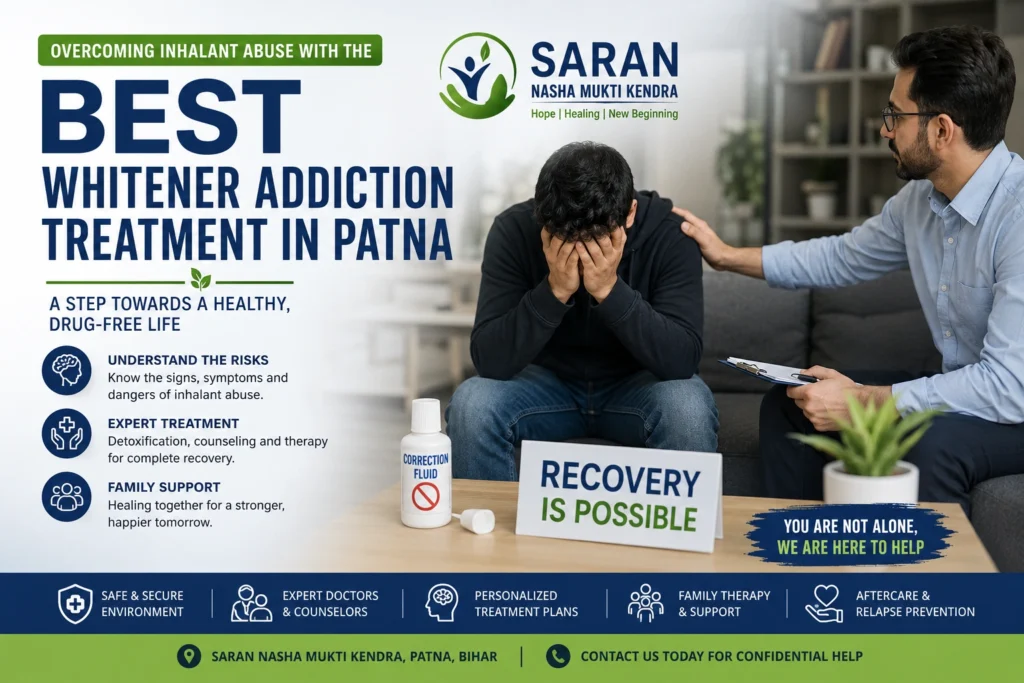
Inhalant addiction is a serious but often overlooked form of substance abuse that can affect people of all ages. Products such as correction fluid (whitener), glue, and paint thinners are easily available, making them highly vulnerable to misuse. Seeking the best whitener addiction Treatment in Patna at the right time can prevent severe physical, psychological, and social complications while helping individuals begin a safe and lasting recovery journey.
Taking the first step towards living a healthy, productive life after Whitener addiction is identifying the best whitener addiction treatment Patna. Once addiction has been halted, professional treatment also targets emotional, psychological and behavioral issues that are often linked to addiction. Structured care and long-term support can lead to long-term recovery.
Why Whitener Addiction Should Never Be Ignored
Chemicals in Whitener give off fumes which create a brief sense of euphoria upon inhalation. The effects of these drugs only last a few minutes, but if used again and again, they can become addictive. As time goes on, users may begin to breathe in more or more often to attain the same effect.
The fleeting euphoric high is very costly. Long-term abuse of inhalants can harm the brain, heart, liver, kidneys and nervous system. It also impacts judgment, memory, concentration and emotional stability, making life more difficult to navigate.
Understanding the Need for the Best Whitener Addiction Treatment in Patna
When a person uses chemical vapors over and over again to become intoxicated, even though they know how harmful it can be, they are suffering from inhalant addiction. Inhalants are found in many places around the home, schools and workplaces and are readily accessible, unlike many other addictive substances.
Commonly Abused Inhalants
Some frequently misused inhalants include:
- Correction fluid (Whitener)
- Glue and adhesives
- Paint thinners
- Petrol and gasoline
- Nail polish remover
- Aerosol sprays
- Cleaning fluids
- Industrial solvents
Regular exposure to these toxic chemicals can severely damage both physical and mental health.
Signs That You May Need the Best Whitener Addiction Treatment in Patna
Recognizing the warning signs early allows treatment to begin before complications become severe.
Physical Symptoms
Repeated inhalant use can cause physical symptoms that may become evident. They can get dizzy, have headaches, feel nauseated, become confused, have trouble walking and get frequent nose irritations. Other common signs are chemical smells on clothes or in the breath.
Behavioral Changes
As the dependency increases, behavioral changes are likely to become more noticeable. Individuals can isolate themselves, avoid attending school or work, lose interest in school or work, become secretive, or have a lot of correction fluid or other products to correct their work.
Psychological Symptoms
The chemicals act directly on the brain, causing emotional instability. Over time, anxiety, depression, mood swings, irritability, confusion, hallucination and difficulty concentrating can develop, which can make recovery more difficult without professional assistance.
Health Risks Associated with Long-Term Inhalant Abuse
The health risks that can occur after prolonged abuse of inhalants.
People don’t realize how dangerous inhalant use is, since it isn’t considered a traditional drug like narcotics. Repeated exposure can cause permanent health effects, however.
Brain Damage
Repeatedly breathing in decreases oxygen to the brain and puts brain tissue at risk from toxic chemicals. This may affect memory, learning, decision making and coordination. If not treated in time, some neurological damage can be permanent.
Heart Problems
Breathing in inhalants may cause irregularities in heartbeat. In some instances, a person might experience a sudden cardiac arrest even during the initial abuse episode, making inhalant abuse even more unpredictable.
Liver and Kidney Damage
The body tries to get rid of toxic chemicals in inhalants continuously. This puts a tremendous burden on the liver and kidneys and could result in long-term damage to these organs and poor health.
Mental Health Disorders
Regular abuse of inhalants has been linked to depression, anxiety disorders, aggressive behavior, paranoia and psychosis. Combined treatment of addiction and mental health is more effective at improving recovery outcomes.
How the Best Whitener Addiction Treatment in Patna Supports Recovery
This addiction to inhalants goes past merely stopping use. Comprehensive treatment centers on the physical, emotional and relapse-prevention stages.
Medical Assessment
All recovery starts with a thorough medical and psychological assessment. This assists professionals in comprehending the seriousness of addiction, recognizing any coexisting health issues and creating a unique treatment plan.
Detoxification Support
While not always as severe as some drugs, supervised detoxification ensures the patient’s safety and comfort. Medical monitoring is a tool that can be used to control anxiety, cravings, sleep and emotional upset.
Behavioral Therapy
Behavioral therapy teaches people about the causes of addiction. Patients acquire some new ( healthier) coping mechanisms, emotional control skills, and some new tools to use to minimize triggers for substance use.
Family Counseling
The family is a critical part of the recovery process. Counselling sessions help with better communication, reestablishing trust and educating the people around addiction, which helps to provide a supportive atmosphere for long-term sobriety.
Choosing the Best Whitener Addiction Treatment in Patna
Selecting the right rehabilitation center is an important decision that directly affects recovery success. Patients and families should carefully evaluate available treatment options before beginning rehabilitation.
A quality program should provide:
- Individualized treatment plans
- Qualified addiction specialists
- Medical supervision
- Psychological counseling
- Relapse prevention programs
- Family therapy
- Follow-up care
- Safe rehabilitation environment
Professional rehabilitation addresses both addiction and the underlying emotional challenges that contribute to substance dependence.
Maintaining Recovery After the Best Whitener Addiction Treatment in Patna
Successful treatment continues well beyond the rehabilitation program. Maintaining sobriety requires ongoing commitment, lifestyle changes, and continuous emotional support.
Some important recovery practices include:
- Attending regular counseling sessions
- Building healthy daily routines
- Avoiding people and environments associated with substance use
- Participating in support groups
- Practicing stress management techniques
- Exercising regularly
- Maintaining proper nutrition
- Seeking help immediately if cravings return
Long-term recovery becomes much more sustainable when healthy habits replace addictive behaviors.
Why Early Intervention Matters
Many families delay treatment because they believe inhalant abuse is temporary or harmless. Unfortunately, addiction usually worsens without professional intervention. Early treatment significantly reduces the risk of permanent brain damage, organ complications, educational setbacks, and relationship problems.
Professional care also improves confidence, emotional well-being, social functioning, and overall quality of life.
Expert Support for Lasting Recovery
Choosing timely treatment can completely transform a person’s future. At Saran Nasha Mukti Kendra, experienced professionals focus on evidence-based rehabilitation, personalized counseling, and long-term relapse prevention. Individuals looking for a trusted Nasha mukti kendra Patna can benefit from structured programs designed to restore physical health, emotional balance, and self-confidence. With the right guidance, overcoming inhalant addiction is possible, allowing individuals to regain control of their lives and build a healthier future. For reliable information on substance use disorders and addiction treatment, refer to the World Health Organization (WHO).
Conclusion
Recovering from inhalant addiction is possible with timely intervention, professional guidance, and continuous family support. Ignoring the early signs of whitener abuse can lead to serious physical, psychological, and social consequences, but the right treatment approach can help individuals regain control of their lives and build a healthier future. If you or someone you care about is struggling with inhalant dependence, seeking the best whitener addiction treatment in Patna can make a significant difference in achieving lasting recovery. At Saran Nasha Mukti Kendra, experienced professionals provide personalized rehabilitation programs focused on detoxification, counseling, relapse prevention, and long-term wellness, helping individuals begin a safe and confident journey toward a drug-free life.
Frequently Asked Questions (FAQs)
- What is whitener addiction?
Whitener addiction is a form of inhalant abuse where a person repeatedly inhales correction fluid fumes to experience temporary intoxication, eventually leading to physical and psychological dependence.
- What are the symptoms of inhalant addiction?
Common symptoms include dizziness, headaches, slurred speech, poor coordination, mood swings, memory loss, chemical odor on clothes, anxiety, and declining academic or work performance.
- Is inhalant addiction dangerous?
Yes. Long-term inhalant abuse can cause brain damage, heart complications, liver and kidney problems, depression, anxiety, and even sudden death.
- Who is most at risk of whitener addiction?
Teenagers, young adults, and individuals with easy access to correction fluids or industrial solvents are generally at greater risk.
- How is inhalant addiction treated?
Treatment typically includes medical evaluation, supervised detoxification, behavioral therapy, family counseling, relapse prevention, and ongoing follow-up care.